
Understanding Player Mindset in Casino Environments
The allure of the casino extends far beyond the flashing lights and the potential for a big win; it’s deeply rooted in human psychology. Understanding why players are drawn to these environments and the cognitive biases that influence their decisions is key to appreciating the casino experience. This involves examining concepts like the “illusion of control,” where players might feel they have more influence over random outcomes than they actually do, leading to increased engagement and risk-taking. For those interested in exploring this further, the resources available at goldwincas offer valuable insights into responsible casino engagement.
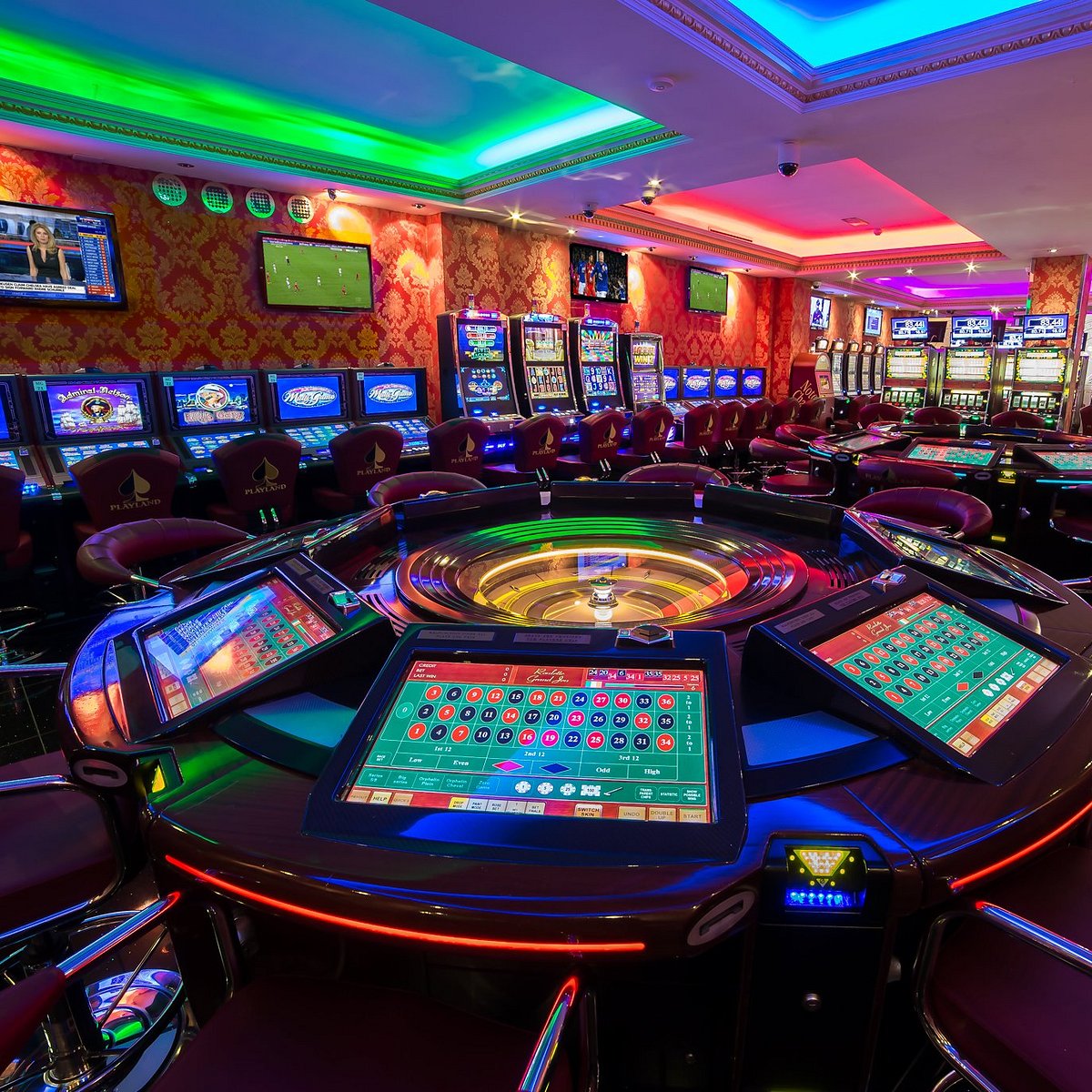
Furthermore, the psychology of anticipation plays a significant role. The near-miss phenomenon, where a player comes close to winning, can be more reinforcing than a complete miss, encouraging them to continue playing in hopes of the next, perhaps successful, outcome. This intricate interplay of psychological drivers is a fundamental aspect of casino dynamics, shaping both individual behaviour and the overall atmosphere of a gaming establishment.
The Role of Cognitive Biases in Casino Games
Cognitive biases are systematic patterns of deviation from norm or rationality in judgment, and they are particularly prevalent in the casino setting. The confirmation bias, for instance, might lead a player to focus on their wins and dismiss their losses, reinforcing a belief in their own winning strategy. This selective attention can make it difficult for players to accurately assess their performance and the true odds of the games they are playing.
Another critical bias is the gambler’s fallacy, the mistaken belief that if something happens more frequently than normal during some period, it will happen less frequently in the future, or that if something happens less frequently than normal during some period, it will happen more frequently in the future. This is particularly relevant in games of pure chance like roulette, where past results have no bearing on future spins. Recognizing these biases is crucial for both players seeking to manage their gameplay and for operators aiming to understand player behaviour.
Emotional Regulation and Decision-Making at the Tables
The emotional rollercoaster experienced in a casino significantly impacts decision-making. Excitement, hope, frustration, and even desperation can cloud judgment, leading to impulsive actions. Successful players, or those who manage their gaming responsibly, often possess a higher degree of emotional regulation. They can maintain a level head, even when faced with losses, and avoid chasing those losses with increasingly reckless bets.
The ability to detach emotionally from the outcome of a game is a powerful tool. It allows for a more rational assessment of risk and reward, and helps players stick to pre-determined betting limits and strategies. This emotional discipline is a hallmark of responsible gaming and is often fostered through an understanding of the inherent probabilities and the nature of chance involved in casino games.
Motivation and the Pursuit of “Winning”
The motivation to play at a casino is multifaceted. For some, it’s the thrill of risk and the potential for a substantial financial gain. For others, it’s the social aspect, the entertainment, or the escape from daily pressures. The concept of “winning” itself can be subjective; it might mean hitting a jackpot, but it could also be about enjoying a few hours of engaging activity without significant financial detriment.
Understanding these varied motivations is essential. A player driven by the pure pursuit of wealth might approach games differently than someone seeking entertainment. The psychological reward system within the brain, triggered by intermittent reinforcement (the unpredictable nature of wins), plays a significant role in sustaining this motivation, making the casino experience compelling and, for many, a recurring activity.

Goldwin CAS: Facilitating a Responsible Casino Engagement
Organizations like Goldwin CAS play a crucial role in the broader casino ecosystem by focusing on how individuals interact with gaming. Their approach emphasizes understanding the psychological underpinnings of casino participation, aiming to foster a more informed and responsible engagement. By providing resources and insights, Goldwin CAS helps individuals navigate the complexities of casino environments, from understanding game mechanics to recognizing the psychological factors that influence decision-making.
This dedication to education and awareness is vital. Goldwin CAS likely strives to empower players with the knowledge to approach casinos with realistic expectations, understand the probabilities involved, and implement strategies for self-management. Their work contributes to a healthier gaming culture by promoting informed choices and responsible behaviour, ensuring that the casino experience remains a form of entertainment rather than a source of undue stress or financial hardship.
